
Two systems, one purpose
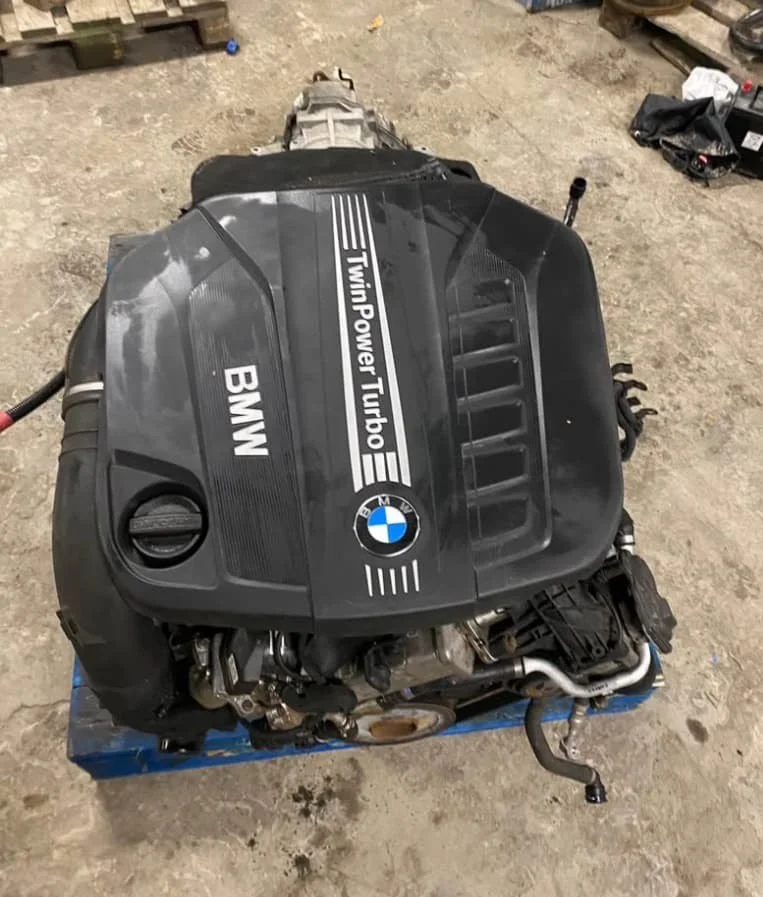
Every modern BMW diesel carries two emissions systems that matter when the engine is replaced. The diesel particulate filter, or DPF, sits in the exhaust and traps soot. The exhaust gas recirculation system, or EGR, feeds a measured amount of cooled exhaust gas back into the intake to lower combustion temperatures and reduce nitrogen oxides. Later cars may add selective catalytic reduction with AdBlue on top of both.
Neither system is part of the engine’s internals, yet both are closely linked to the engine’s health. A failing engine can damage them, and a damaged DPF or EGR system can shorten the life of a replacement engine. That is why a workshop replacing a BMW diesel treats them as part of the same job rather than as separate topics to be dealt with later.
How the DPF works

The DPF is a ceramic filter, on many BMWs combined with an oxidation catalyst close to the engine. It collects soot and burns it off in a process called regeneration. Passive regeneration happens during normal driving at higher exhaust temperatures, while active regeneration is triggered by the engine management, which deliberately raises exhaust temperature when the filter is loading up.
A differential pressure sensor measures the resistance across the filter, and the control unit also models the soot load from driving conditions. Short journeys interrupt regeneration, and the filter gradually fills. Ash from burnt engine oil, by contrast, does not burn away at all, which is one reason BMW diesels with a DPF need low-ash oil of the correct BMW specification.
How the EGR system works

The EGR system consists of a valve that meters exhaust gas into the intake and, on BMW diesels, a cooler that lowers the gas temperature first. The cooler uses engine coolant, so it sits at the junction of the exhaust, intake and cooling systems. Over time, soot from the recirculated gas combines with oil vapour from the crankcase ventilation and builds deposits in the intake manifold and around the swirl flaps where they are fitted.
An internal leak in the EGR cooler can allow coolant into the intake. Symptoms include unexplained coolant loss, white exhaust smoke and, in serious cases, liquid reaching the cylinders. A sticking EGR valve, on the other hand, can cause poor running, smoke and fault codes. Both are faults in components around the engine rather than inside it, but they can cause internal engine damage if left unresolved.
How engine failure affects the DPF and EGR
When a diesel engine fails, oil and coolant often end up where they should not be. A turbocharger with failed seals can push oil into the exhaust, and an engine with worn piston rings or a damaged head gasket can do the same with oil or coolant. Some of that contamination reaches the DPF, where oil ash and coolant residue cannot be burned away like soot.
Before a replacement engine is started, the workshop should therefore establish why the old engine failed. If the cause was an EGR cooler leak, the cooler must be renewed or the new engine may meet the same fate. If the DPF is contaminated or heavily loaded with ash, it may need professional cleaning or replacement, because a blocked filter raises exhaust back pressure, stresses the turbocharger and can make the replacement engine run poorly from the first day.
Decisions on the workshop floor
In most BMW diesel swaps the DPF stays with the car, while the EGR valve and cooler may come either from the old engine or with the replacement unit, depending on what the listing photographs show. Reusing the components with the known history is not automatically the right answer; using clean, sound ones is. The workshop should inspect both sets, fit the better one and renew the gaskets as it goes.
The intake tract deserves the same attention. Soot deposits in the manifold of the old engine, or in the charge pipes and intercooler, should not be carried over to the new one. Oil lying in the intercooler after a turbocharger failure should be drained and the pipes cleaned, because it can otherwise be drawn into the replacement engine at the first start.
Software follows the hardware. If the DPF is cleaned or replaced, its stored values are reset with a diagnostic tool; if not, the existing values remain valid. Injector correction values and other adaptations are handled as part of the standard installation, and the fault memory is cleared once the engine has been run and checked.
Emissions equipment and the law
Some owners ask whether an engine replacement is a good moment to remove the DPF or disable the EGR system. In many countries, removing or disabling emissions equipment on a road vehicle is not legal and will cause the car to fail its periodic inspection. Rules differ between countries and change over time, so confirm the position with the inspection authority, such as TÜV or DEKRA in Germany, before considering anything other than a like-for-like repair.
bavarianengineswerke.co supplies replacement engines for like-for-like fitting. Match the engine code and the emissions generation of the car, so that the engine, its sensors and the car’s exhaust aftertreatment work together as designed. A Euro 6 car with SCR should receive the engine version it was built with, not an earlier unit that happens to share the family name.
A short checklist for the workshop
Before the replacement engine runs, confirm the cause of the original failure and record it. Inspect the EGR valve and cooler, pressure-test the cooler where there is any doubt, and clean or replace the intake manifold if soot deposits are heavy. Drain oil from the intercooler and charge pipes, and check the turbocharger, whether reused or supplied, for oil leaks and shaft play.
Read the DPF differential pressure and soot load values before and after the swap, and decide on cleaning or replacement on that evidence. Fill the engine with low-ash oil of the specification BMW lists for it, bleed the cooling system carefully, and take a road test long enough for the engine to reach full temperature and, where needed, complete a regeneration.
Warranty
Many engines come with up to 12 months warranty. A proper workshop must fit the engine. The warranty is for a fault inside the engine. It does not cover the wrong engine, a dry start, the wrong oil, or damage done after you open the crate.
Shipping
Crate shipping from Hamburg costs 299 EUR. We pack the engine in a strong crate and send it to the address on your order. You need a forklift or an engine crane to unload it.
FAQ
Does a replacement engine come with a new DPF?
No. The DPF is part of the exhaust and normally stays with the car. Its condition should be checked during the swap, especially if the old engine burned oil or coolant.
Should the EGR cooler be replaced during an engine swap?
Only if it is leaking, blocked or was the cause of the original failure. The workshop inspects or pressure-tests it and decides whether to reuse it or fit the one supplied with the replacement unit.
Why does the oil specification matter for the DPF?
Ash from engine oil collects in the filter and does not burn off. Low-ash oils of the correct BMW specification reduce that build-up.
Do you ship dpf and egr to my door?
Yes. Crate shipping from Hamburg costs 299 EUR to the address on your order.
How long is the warranty?
Up to 12 months on many engines, for a fault inside the engine, after a proper fit. See the warranty page for the full rules.
Are the photos of the real engine?
Yes. When you buy Bavarian Engines Werke engines from us, the photos are real photos from our yard, not made-up pictures.
Can you check my VIN first?
Yes. The VIN check is free. Send it before you pay and we confirm the engine fits.
Diesel engines in stockFree VIN check


